Posts

Showing posts with the label fauna

Fishponds in Kraśnicza Wola - International Bird Refuge
Image
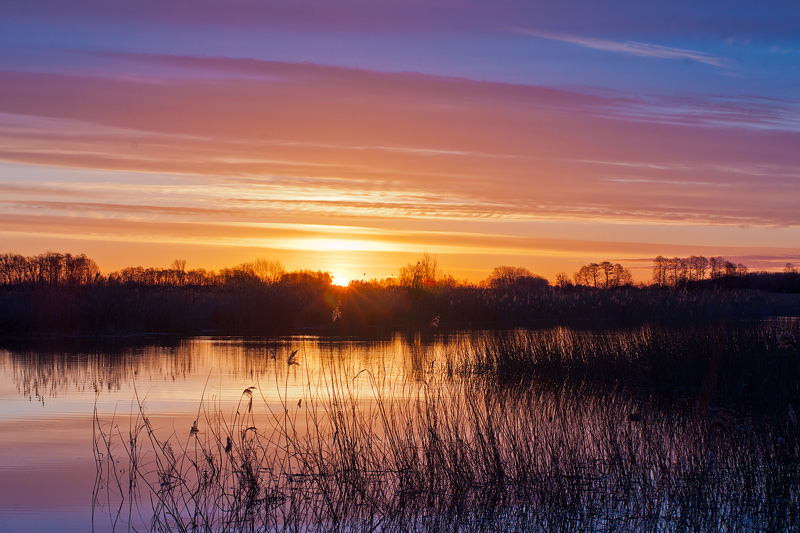
Fishponds in Kraśnicza Wola (Mazovia region, Poland) are the piece of the "Rozłogi" wilderness. Along with the surrounding areas of agricultural and forest are part of an international bird refuge (IBA) with an area of about 1300 ha. Ponds were created in the 30s of the 19th century. The last time the fish were bred here in 1995, since then not carried out maintenance of ponds, water structures underwent devastation, some heavily overgrown ponds and shows a high degree of naturalness. Abandoning fish breeding was due to regular water shortages during the summer months and the escalating of poaching. Despite the small area, the fishponds are an important place for birds and amphibians. If you keep silence, you can hear birds In their natural environment, herds of geese and cranes (e.g. white-fronted goose, bean goose and the golden plover). The total concentration of wetland birds during the time of migration of birds date back to 20000. Wilderness "Rozł...

Pentowo - European Stork Village

Image
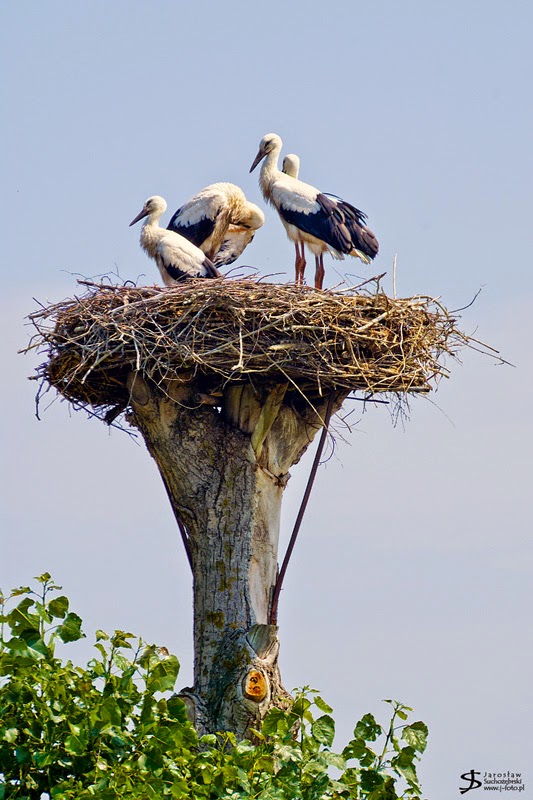
There are almost 160 thousand of stork couples living all over the world and ca. 44 thousands of them have their nests in Poland. The white storks are seen as bringing good fortune, and their arrival in late March heralds the onset of spring (read more: Storks ). In the 90s, the European Natural Heritage Fund nature (EuroNatur) came up with the title of “European Stork Village” to those municipalities that besides having a strong presence had made significant efforts to white stork protection and conservation of the breeding areas. Since then, each year EuroNatur honours the contribution of a different village. According to the foundation regulations, such a title may wear only one place in each country. The first location was awarded Cigoc, Croatia, in 1994. In 2001 Pentowo in Poland was honoured with a prestigious title of the European Village of Storks.  Pentowo is a settlement situated near Tykocin between the Narew and the Biebrza National Parks in Eastern ...

Storks

Image
Every fourth stork in the world comes from Poland. The biggest density of stork nests is observed in the North- Eastern and Eastern part of Poland. Storks rebuild their nests each year. The nest is constructed above the ground, on poles, very often in close proximity of human settlements: on the tops of barns and houses. Storks have been present in the Polish folk culture and landscape for centuries and have found their place in our folktales, proverbial sayings. Among the most common ones there is of course the superstition about storks bringing babies. Constructing of stork nest in a particular household is believed to bring its owner good luck and prosperity. It is also believed to protect a house from thunder strikes. Storks are also appreciated for their role as beneficial animals: they feed on species considered to be pests, such as rodents. (See: Storks - the Symbol of Poland )

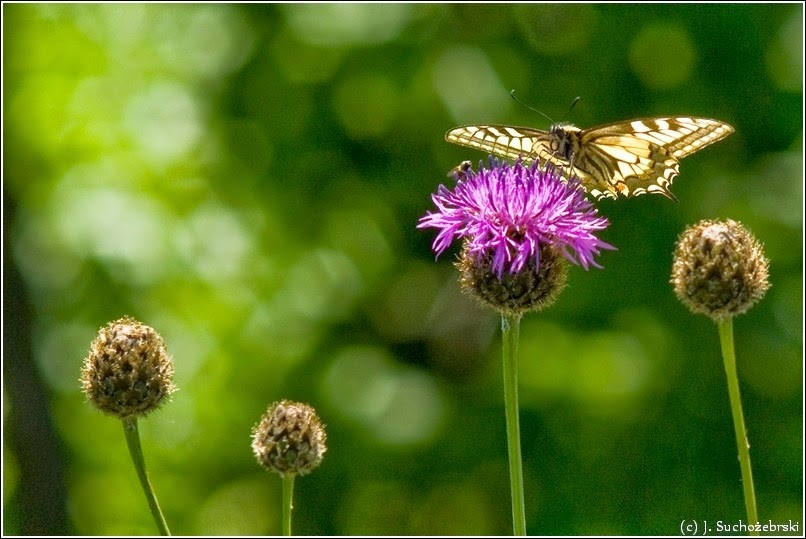
Summer butterfly

Image
ABC Wednesday
Related Posts Plugin for WordPress, Blogger...

Most Recent Articles

See Also